


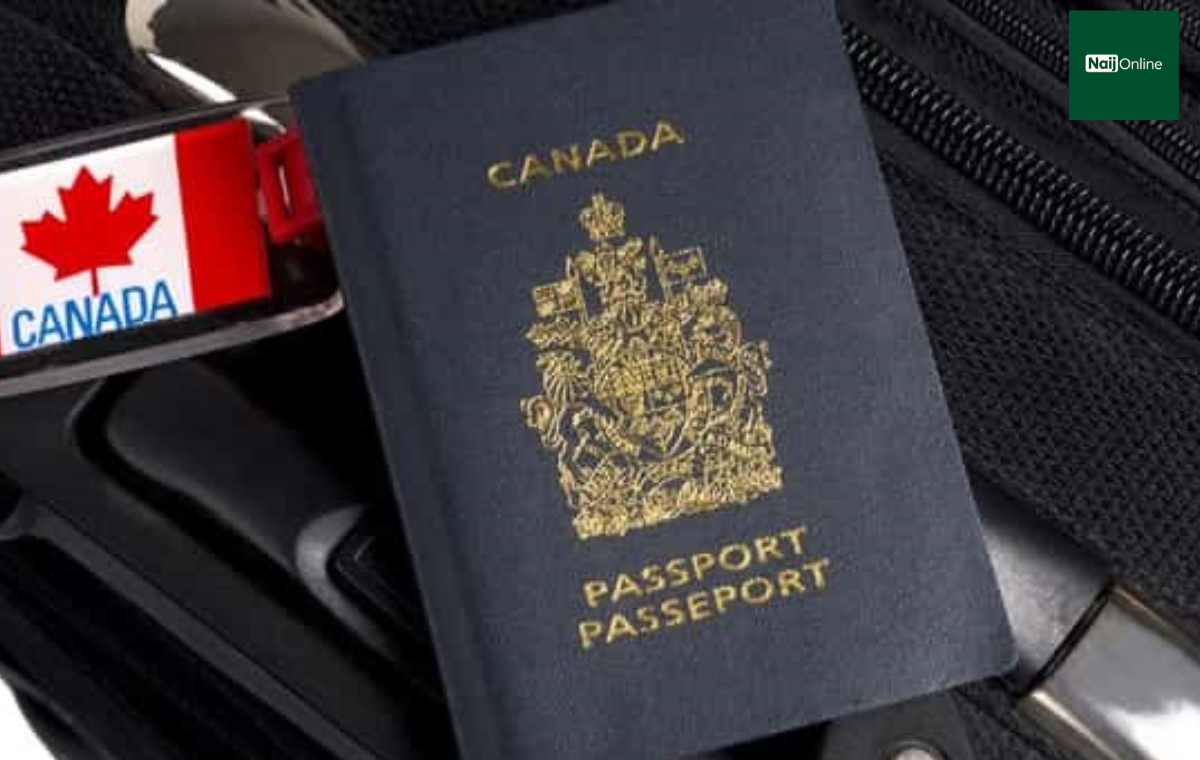
How to Get a Canadian Passport? Well Canada is basically the cool kid in the immigration world right now, and honestly, it’s not hard to see why. Chill vibes, friendly faces, and, let’s be honest, free healthcare? Sign me up. Their immigration policies are actually decent (shocking, I know), the economy’s buzzing, and you get to hang out in a society that’s so multicultural, you’ll probably hear three different languages just waiting for your coffee.
So, dreaming of living the Canadian life? Maybe even scoring that maple-leaf passport someday? Good taste. But, uh, where do you even start? What’s the deal with all this “Express Entry” stuff people keep talking about? Don’t worry, we’re about to break it down, without the boring bits.
Express Entry: Not a literal express lane at Tim Hortons, but Canada’s online system for bringing in skilled folks who can keep the economy humming. The government basically wants people who are smart, experienced, and can, you know, actually communicate in English or French. They’ve even tweaked the system a bunch in the last couple years, some job categories got invited to the party, others got the boot. It’s all about matching what Canadian employers need.
Simply put: If you qualify, Express Entry lets you toss your hat in the ring for permanent residency. Get picked, and you can move, work, or study wherever you want in Canada. Stick it out a few years, and you can go for citizenship—aka, official Canadian status, poutine privileges included.
We’ll walk you through what you need to qualify, how to actually build that Express Entry profile. By the end, you won’t just “get it”—you’ll know what to do next.
What is Express Entry?
Express Entry is an online immigration application system launched by the Canadian government in 2015. It manages three main immigration programs that are focused on skilled workers:
- Federal Skilled Worker Program (FSWP)
- Canadian Experience Class (CEC)
- Federal Skilled Trades Program (FSTP)
You fill out your profile online, enter your details like age, work history, education, language test scores (yeah, you gotta prove you can order coffee in English or French), and if you’ve got family in Canada. Then, they give you a score, the Comprehensive Ranking System (CRS). Higher scores? More likely you’ll get that golden ticket (an invitation to apply for permanent residency). Sometimes, they do special draws for people in certain industries, think healthcare, tech, or whatever’s hot that year.
Who Can Actually Get In Through Express Entry?
Here’s the deal: you gotta fit into one of those three buckets.
1. Federal Skilled Worker Program (FSWP)
- Worked a skilled job (full-time, at least one year, in the past 10 years).
- Decent at English or French (CLB 7 or higher, but basically, be able to hold a conversation).
- Got some education, either in Canada or get your foreign degree checked.
- You need to rack up at least 67 points on their grid (it’s like applying for Hogwarts, but with more paperwork).
2. Canadian Experience Class (CEC)
- Worked a skilled job in Canada for at least a year in the last three years.
- Language: CLB 7 for most jobs, CLB 5 if you’re in trades.
- Mostly for people already in Canada, students who stuck around, or people on work permits.
3. Federal Skilled Trades Program (FSTP)
- Two years of full-time skilled trades work in the last five years.
- Either a job offer that lasts a year or a certificate from a Canadian province.
- Language: CLB 5 for talking and listening, CLB 4 for reading and writing (so, you don’t have to be Shakespeare).
How to Create an Express Entry Profile and Get a CRS Score
First, check you’re actually eligible (seriously, don’t skip this). Then, head to the official Immigration, Refugees and Citizenship Canada (IRCC) website and create your online Express Entry profile. They’ll ask for:
- Your age
- Education (degrees, diplomas, Hogwarts letters)
- Work experience
- Language test results (IELTS, CELPIP, TEF)
- Job offers (if you’ve got one, flex it)
- Family in Canada (they love it if you’ve got roots)
Once that’s in, you get a CRS score that ranks you against other candidates. The higher, the better. If you’re among the highest scoring candidates, you will receive an invitation to Apply (ITA) for permanent residency during regular draws held about every two weeks.
What Happens After Receiving an Invitation to Apply (ITA)?
If you get an ITA, you have 60 days to submit a complete application for permanent residence. This includes:
- Police clearance certificates from any country you’ve lived in for more than 6 months since age 18.
- Medical exams from approved panel physicians.
- Proof of funds to support yourself and family after arrival (unless you have a valid job offer).
- Supporting documents verifying your education, work experience, and language test.
- Application fees payment for yourself and family members.
Once submitted, IRCC aims to process applications within six months or less. You may be asked to provide biometrics (fingerprints and photo) during this time.
Receiving Permanent Residence and Moving to Canada
If your application gets approved, you’ll get a Confirmation of Permanent Residence (COPR) and maybe a permanent resident visa if you need one. These papers let you pack your bags and actually show up in Canada as an official permanent resident.
Once you’re a permanent resident, you can basically set up shop anywhere in Canada. Live in Vancouver, work in Toronto, study in Montreal, no one’s stopping you. You get healthcare (yes, really!), social benefits, and all that good stuff.
How to Become a Canadian Citizen and Get a Canadian Passport
Permanent Residency is just the first step. If you want a Canadian passport, you’ve got to go the distance and become a citizen. Here’s the gist:
- Live in Canada at least 1,095 days (so, 3 years) over the last 5 years before you apply. No, you can’t fudge the numbers.
- File your taxes for at least 3 of those 5 years (if required, but let’s be real, you probably will be).
- Pass the citizenship test. They’ll quiz you about Canadian history, symbols, and other trivia (if you’re 18-54).
- Show you can speak enough English or French to actually order a double-double at Tim Hortons.
- No serious criminal stuff lurking in your past. They do check.
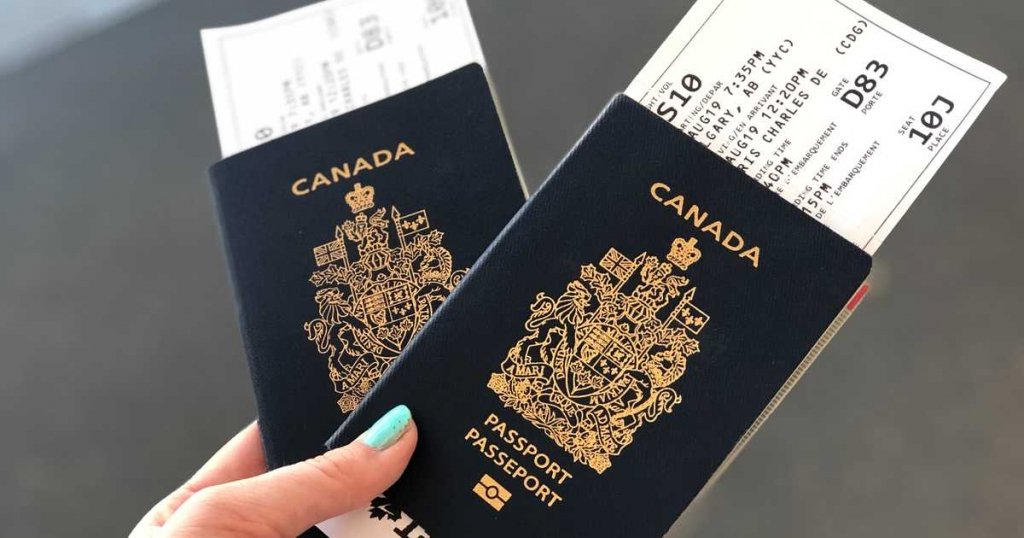
After you jump through those hoops and get approved, you’ll go to a citizenship ceremony and take the oath of citizenship, and boom, you’re a citizen. Now you’re eligible for that shiny Canadian passport, which is basically accepted everywhere.
Step-by-Step Process: How to Get a Canadian Passport
Here’s how to get a Canadian passport:
1. Make Sure You’re Actually a Citizen
If you’re not, back up and work on that first. You can be a citizen by birth, by descent, or by naturalization (which is what most Express Entry folks do).
2. Gather Your Required Documents
- Proof of citizenship (citizenship cert, birth cert, whatever applies)
- Government-issued photo ID (driver’s license, health card, or old passport)
- Two identical passport photos, don’t mess this up, they’re picky!
- The proper form (grab it online from the official site)
3. Find a Guarantor
You need someone who’s known you for two years AND has a valid Canadian passport. They’ll sign your stuff and one of your photos, vouching you’re not a secret agent or something.
4. Fill Out the Application Form
It asks all the usual things: who you are, how you became Canadian, where you’ve traveled, how long you want the passport to last, etc. Don’t forget to sign and date.
5. Submit Your Application
Drop it off at a Passport Canada office, Service Canada Centre, embassy/consulate, or mail it in with tracking. Lost passport apps are a nightmare, so don’t cheap out on postage.
6. Pay the Application Fees
For adults: 5-year passport = $120 CAD, 10-year = $160.
7. Wait for Processing
Standard processing: 10-20 business days. If you’re in panic mode, express options can get it done in as little as one day for true emergencies.
8. Get Your Passport
Pick it up in person or get it mailed, either way, congrats! That’s your ticket to the world and proof you’re officially Canadian.
Tips to Improve Your Express Entry and Passport Application Success
- Keep your language tests and education docs fresh and assessed, don’t let them expire.
- Triple-check your documents and passport photos. They reject a lot for silly reasons.
- Update your Express Entry profile whenever stuff changes. Don’t slack off.
- Don’t even think about applying for citizenship until you’ve hit the residency minimum.
- Always use reliable, trackable mail for important docs. Make copies!
Pick the right processing speed for your travel plans. Don’t pay for express tickets if you’re not in a rush.
Conclusion
Canada’s Express Entry path is about as straightforward as immigration gets, honestly. If you’re skilled and organized, the road from “interested applicant” to “passport-waving Canadian” is totally doable. The key? Stay on top of deadlines, paperwork, and don’t cut corners. The payoff, a Canadian passport, new opportunities, and the right to call yourself a Canuck, is well worth it.
Yeah, it takes some patience, but the end result? Absolutely life-changing. Canada welcomes skilled individuals ready to contribute to its economy and society.


