


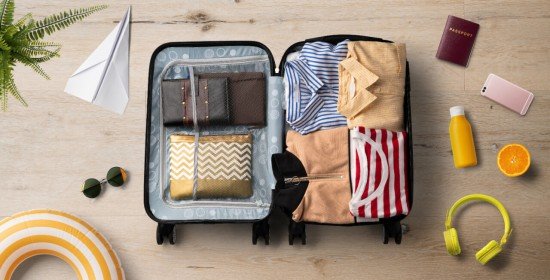
Planning the next travel but stuck on what to pack for Europe trip? Relax, you are not alone. Most travelers overpack or forget to take the essentials with them.
Europe offers different weather, social expectations, and day-to-day living that require smart packing.
Following is what to pack for Europe trip, and I have added 10 essential items that will make your trip easy, safe, and stress-free. So keep reading!
Why Is Smart Packing Essential for a Europe Trip?
Packing smart is not just jamming things in a bag. It’s being comfortably stylish while carrying only what you need.
Europe’s cobblestone streets, stairs, and mass transit system make heavy bags difficult to deal with. Wearing the right things with you prepares you for anything or any outing.
Most visitors are curious about what to bring to Europe trip, and with some planning ahead, you can pack well. This saves your money for paying extra fees for check-in baggage on airlines, saves time, and makes you enjoy your Europe trip to the fullest without any hassle.
What to Pack For Europe Trip: 10 Must-Have Items
Below are 10 must-have items to add to your Europe trip packing list:
1. Lightweight Luggage or Backpack
Your bags are the last thing on your mind. Europe’s cobblestone streets and non-elevator hotels can make heavy bagging a marathon. A small carry-on bag or wheel-type backpack is your best bet. It makes you self-sufficient and saves you checked bag fares on budget airlines.
Examples
- Samsonite Winfield 2 Spinner: Tough, cabin-sized, and easy to pull.
- Osprey Farpoint 40 Backpack: Light, spacious, and comfortable for train or bus travel.
2. Universal Travel Adapter
Europe uses different types of plugs (Type C and F). You cannot charge your phone, laptop, or camera unless you have an adapter. A universal travel adapter with USB ports is a godsend because it can be used in multiple countries and multiple devices charged at once.
Example:
- EPICKA Universal Travel Adapter: Small, reliable, and compatible with most European outlets.
3. Lightweight Rain Jacket
Weather in Europe is unpredictable. Even during summer days in London or Amsterdam, unexpected rain is a common occurrence. A rain jacket that can be folded makes you dry without occupying extra space in your bags. It is even better than always carrying an umbrella with you.
Example:
- Columbia Arcadia II Rain Jacket: Water-resistant, lightweight, and easily folds into a small pocket within a bag.
4. Comfortable Walking Shoes
You will be doing a lot of walking – from strolling Parisian streets to ascending Rome’s ancient stairs. Good support walking shoes or sneakers are required to have pain-free feet all day.
Examples:
- Skechers Go Walk: Lightweight, cushioned, and gentle on your feet.
- Nike Revolution Sneakers: Breathable, comfortable, and trendy for everyday excursions.
5. Reusable Water Bottle
Reusable water bottles are available in most cities in Europe, with clean tap water and public fountains in Italy, France, and Germany. You save money and plastic while traveling with a reusable water bottle.
Examples:
- Hydro Flask: Keeps water cold for several hours and is long-lasting.
- Collapsible silicone bottle (e.g. Vapur Eclipse): Collapses and saves space when empty and is convenient to carry.
6. Power Bank
Long sightseeing days will drain your phone battery in seconds. A power bank holds your phone battery charged for maps, photos, and bookings without needing to search for outlets.
Example:
- Anker PowerCore 10000: Very small, compact, and will charge most phones at least twice.
7. Travel First Aid Kit
A small first aid kit is useful in emergency situations. Carry painkillers, diarrhoea tablets, allergy medication, band-aids, and personal medications. While there are pharmacies on every other corner in Europe, it’s time and stress-saving to bring your own stuff.
Some examples of things to carry with you:
- Panadol: For headaches or general aching.
- Imodium: To stop diarrhoea during surprise stomach illness.
- Cetirizine or loratadine: To stop allergies and hay fever symptoms.
8. Anti-Theft Bag
Pickpocketing is common in crowded tourist spots like Barcelona’s La Rambla or Trevi Fountain in Rome. An anti-theft bag with zippers that can be locked guards your wallet, phone, and passport against thieves.
Examples:
- Pacsafe Crossbody Bag: Lightweight and secure for daily use.
- Pacsafe Backpack: Ideal for carrying extra items securely on sightseeing trips.
9. Travel-Sized Toiletries
Even though hotels provide free toiletries, it is easier to have your own travel-sized essentials of shampoo, conditioner, toothpaste, and deodorant. You can use your preferred brands and do not have to buy new ones when you arrive.
Example:
- GoToob Silicone Refillable Bottles: Ideal for holding small quantities of your preferred products with no spilling.
10. Photocopies of Travel Documents
Finally, always keep photocopies of your travel documents, including your passport, visa, flight bookings, hotel bookings, and travel insurance. Have hard copies in one bag and soft copies saved on your phone or email. This is saving you in case your originals are lost or stolen.
Examples:
- Make two copies of each document and keep them in separate bags.
- Keep scanned copies on Google Drive or in your email for ease online.
What to Consider Before You Pack
Before you start jamming things into your backpack, think about:
- Season and Weather: European weather is unpredictable. Are you traveling in summer or winter? Northern Europe is cold even in the spring, whereas Southern Europe sizzles in July.
- Length of Stay: Packing for a weekend is very different from packing for two months.
- Activity types: Will you hike, dine in upscale restaurants, attend church, or attend festivals? Your packing list should be commensurate with your planned activities.
- Luggage weight and dimensions: Most low-cost European airlines have high-luggage weights. Packing to carry-on sizes is wise if possible.
After you’ve answered these questions, you can move on to the actual necessities.
How Do You Select the Ideal Luggage
You do not need the biggest suitcase in the store. In fact, most experienced travelers recommend a carry-on suitcase or backpack for Europe. Here’s why:
- Greater mobility: Navigation of metro station stairs, steps, and trains is easier without cumbersome bags.
- No baggage claim wait: Carry-ons mean you can leave the airport earlier.
- Low likelihood of losing bags: You have your essentials within reach at all times.
Choose light but sturdy luggage with good-quality wheels and is airline-approved. A backpack could be a good idea, especially if you’re going to be moving from place to place constantly. Packing cubes or organizers could prove useful in maximizing your space.
What Packing Tips Do Experienced Travelers Sing Praises About?
- Fold your clothes to save space and minimize wrinkles.
- Utilize packing cubes for order.
- Self-limit to carry-on if possible — you’ll be thankful on each train station.
- Clean on the go: Carry a small packet of laundry detergent or find in-town laundromats.
- Note local mores: At some places, you will need covered shoulders or knees for churches or temples.
What If You Forget Something
Don’t panic if you forget something. Europe has shops, pharmacies, and supermarkets galore. Sometimes it’s quicker and less expensive to buy something in situ than to overpack.
Frequently Asked Questions
Can my phone charger be used in Europe?
Yes, but you will need a universal travel adapter to fit European plug types.
Do I need to pack a raincoat if traveling in summer?
Yes. The weather is unpredictable, and short showers are common to most European cities.
Can I use tap water in Europe?
Yes, in a majority of countries, but consult local advice for every city.
Do I need travel insurance for Europe?
Yes, always travel with a medical emergency or lost property insurance.
Conclusion
Knowing what to pack for Europe trip saves you money, time, and anxiety. With these 10 essentials, you’ll pack light and be prepared.
Whether enjoying Rome gelato, boating Amsterdam’s canals, or hiking Switzerland, smart packing simplifies your journey and makes it more enjoyable.
If you enjoy this guide, spread it to a friend who’s heading to Europe soon!


