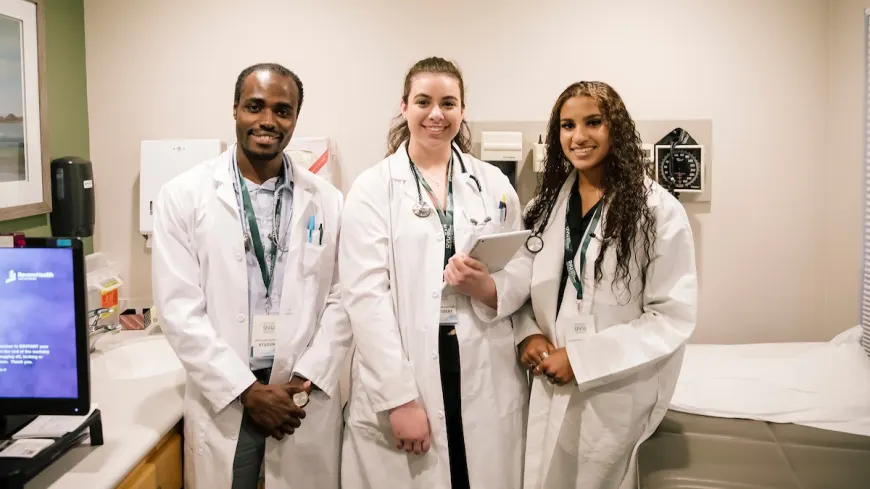
A Physician Assistant (PA) is a medical professional who works closely with doctors and other healthcare providers to diagnose and treat patients. PAs play a vital role in healthcare by performing physical exams, ordering and interpreting tests, prescribing medication, and assisting in surgeries. They help extend the reach of doctors, especially in busy clinics and hospitals, making healthcare more accessible to patients.
Choosing the right PA program is crucial to launching a successful career as a Physician Assistant. The best programs offer not only excellent education but also strong clinical experiences, mentorship, and support to help students pass their certification exams and find employment after graduation.
This article covers the 13 top Physician Assistant programs, highlighting what makes each one stand out so you can make an informed choice.
Criteria for Ranking Top PA Programs
The selection of the top 13 Physician Assistant programs is based on several important factors:
- Accreditation status: A program must be accredited by the Accreditation Review Commission on Education for the Physician Assistant (ARC-PA) to ensure it meets rigorous educational standards.
- Pass rates on the Physician Assistant National Certifying Exam (PANCE): High pass rates indicate that a program effectively prepares students to become certified PAs.
- Quality and variety of clinical rotations: Programs offering diverse clinical experiences enable students to gain hands-on skills in different medical specialties.
- Faculty expertise and qualifications: Experienced and knowledgeable faculty provide better teaching, mentorship, and professional guidance.
- Program reputation and history: Long-standing programs with strong reputations tend to have proven track records of producing competent PAs.
- Post-graduation employment rates: High employment rates reflect programs that prepare students well for the PA job market.
Overview of Physician Assistant Education
Typically, becoming a PA requires completing a bachelor’s degree in a related field such as biology or health sciences, along with acquiring patient care experience through jobs like EMT or medical assistant roles.
PA programs are usually master’s degree programs lasting about two to three years. These programs combine classroom learning in subjects like anatomy, pharmacology, and pathophysiology with supervised clinical rotations in areas such as family medicine, surgery, pediatrics, and emergency medicine.
After graduating, candidates must pass the PANCE exam to become nationally certified and then obtain state licensure to practice professionally.
The 13 Top Physician Assistant Programs
1. Baylor College of Medicine (Houston, Texas)
Baylor College of Medicine’s Physician Assistant program is highly regarded, especially for those interested in primary care and broad patient care skills. Located in Houston, one of the largest and most diverse cities in the U.S., the program offers students the opportunity to work with patients from many different cultural and socioeconomic backgrounds. This diversity helps students develop strong communication skills and cultural sensitivity, essential traits for any healthcare professional.
The Bachelor of Physician Assistant Studies (MPAS) degree is structured to provide a strong clinical foundation through hands-on rotations in top hospitals such as Texas Children’s Hospital and the Houston Methodist Hospital.
Baylor’s program also emphasizes teamwork skills, with students working closely alongside doctors, nurses, and other providers during their clinical rotations.
With consistently high pass rates on the PANCE exam, students graduate confident and well-prepared. Graduates report excellent job placement and many go on to work in primary care, hospital medicine, and specialty practices throughout Texas and beyond.
2. Duke University School of Medicine (Durham, North Carolina)
Duke University offers one of the most prestigious and academically rigorous PA programs in the country. The school’s program awards a Master of Health Sciences in Physician Assistant Studies and is known for its strong emphasis on research, leadership, and evidence-based medicine.
Students at Duke benefit from world-class faculty who are leaders not only in clinical care but also in cutting-edge medical research. The program gives students numerous chances to engage in scholarly projects and clinical trials alongside physicians and scientists.
Situated within the Duke University Health System, students do their core clinical rotations at large academic medical centers treating complex cases in cardiology, oncology, surgery, and more.
The program is very competitive to get into, reflecting its reputation. Graduates frequently achieve top scores on the certification exam and go on to leadership roles in healthcare, education, and policy. Duke’s extensive alumni network provides solid career support and mentorship to new PAs entering the workforce.
3. Emory University (Atlanta, Georgia)
Emory University’s PA program stands out for its interdisciplinary approach and commitment to serving underserved populations. Located in Atlanta, students are exposed to a wide range of healthcare settings, including busy urban hospitals and community clinics that care for low-income and minority populations.
The Master of Medical Science (MMS) degree goes beyond just classroom learning by immersing students in real-world environments where social determinants of health significantly impact patient outcomes.
Emory encourages collaborative learning across health professional schools, students frequently work, learn, and problem-solve with medical, nursing, pharmacy, and public health students.
The faculty includes notable researchers and clinicians who emphasize innovation, patient advocacy, and health equity. Clinical rotations are diverse, covering specialties such as infectious diseases, pediatrics, surgery, and mental health.
Emory graduates benefit from a strong network and graduate with the skills to work effectively in both large health systems and community settings.
4. George Washington University (Washington, D.C.)
George Washington University’s PA program is uniquely positioned in the heart of the nation’s capital, affording students access to a wide array of urban healthcare experiences, including federal facilities like the Department of Veterans Affairs and the National Institutes of Health.
GWU confers a Master of Medical Science in Physician Assistant Studies, blending rigorous academics with practical clinical training. The program is especially strong in health policy education, preparing students to become advocates and leaders in the often complex intersection between medicine and government.
Students receive clinical training at some of the best hospitals in Washington, D.C., encountering a rich variety of cases and medical populations, including veterans, underserved urban communities, and multicultural patients. This prepares graduates to handle diverse clinical situations and systems-based challenges.
Graduates consistently perform well on the PANCE and enjoy high employment rates, often securing jobs within prestigious hospital systems or governmental health organizations.
5. Northwestern University (Chicago, Illinois)
At Northwestern University, the PA program is designed to cultivate both medical expertise and compassionate care, making it a top choice for students who want a balanced education in science and patient-centered medicine.
The program offers a Master of Science in Physician Assistant Studies and emphasizes innovative, technology-driven instruction methods, including simulation labs and telemedicine training.
Based in Chicago, students take part in clinical rotations at some of the city’s top hospitals such as Northwestern Memorial Hospital, where they encounter a large and diverse patient population with a variety of medical needs.
Northwestern also focuses on interprofessional education, encouraging collaboration between PAs, physicians, nurses, and other health providers to improve patient outcomes. The program has a supportive culture, with an active alumni network that helps newly graduated PAs find jobs and expand their professional opportunities.
Students report feeling well-prepared both academically and clinically, and the program boasts strong PANCE pass rates.
6. Oregon Health & Science University (Portland, Oregon)
OHSU offers one of the oldest and most respected PA programs in the country, with a special focus on training healthcare providers willing to work in rural and underserved communities.
The Master of Medical Science degree program is designed to prepare PAs who can handle the unique challenges of practicing medicine outside of major urban centers, often serving populations with limited access to specialty care.
Clinical rotations take place in a mix of academic medical centers, rural hospitals, and community clinics across Oregon, giving students valuable insight into healthcare delivery across diverse settings.
OHSU prides itself on strong mentorship, faculty members guide students not only during their rotations but also in research projects and career planning. The program’s supportive, close-knit environment helps students feel confident and ready to serve wherever they choose. Graduates are known for their adaptability and strong clinical skills.
7. Quinnipiac University (Hamden, Connecticut)
Quinnipiac University’s PA program offers a personalized and student-focused education with an excellent reputation in preparing students for both the certification exam and real clinical practice.
Awarding a Master of Health Science degree, the program combines solid classroom instruction with broad clinical experiences, especially emphasizing care for underserved populations. Smaller class sizes allow students more individual attention from faculty, which helps foster a supportive learning environment.
Clinical rotations are offered in a variety of healthcare settings, including urban hospitals, outpatient clinics, and community health centers spread across Connecticut and neighboring states.
Quinnipiac continually updates its curriculum to reflect current trends and best practices in healthcare. Besides strong academic preparation, students are taught communication skills, professionalism, and the importance of compassion in patient care. Graduates leave prepared to work in many specialties and settings.
8. University of Iowa (Iowa City, Iowa)
The University of Iowa’s PA program provides one of the most comprehensive and diverse training experiences available in the Midwest. The Master of Physician Assistant Studies degree program features a curriculum that covers a broad range of medical topics through classroom lessons and extensive clinical rotations across multiple specialties such as primary care, surgery, emergency medicine, and pediatrics.
Students benefit from faculty who are both practicing clinicians and active researchers, offering a blend of academic knowledge and real-world experience. The university’s teaching hospitals serve a mixed urban and rural patient base, giving students varied exposure to patient populations with different needs.
Many graduates stay in Iowa or neighboring states, filling vital healthcare roles in communities where PAs are greatly needed. The program emphasizes professional development and clinical competence, ensuring students graduate ready for certification and confident in their clinical skills.
9. University of Utah (Salt Lake City, Utah)
The University of Utah has a well-established PA program with deep roots in rural healthcare training. The program awards a Master of Medical Science degree and is especially known for preparing students to practice medicine in both large urban centers and isolated rural areas.
Utah’s diverse geography means students experience a wide variety of healthcare environments and patient demographics during their clinical rotations, from large hospitals to small community clinics. This variety helps graduates become flexible and skilled providers ready to work in many settings.
The program partners extensively with hospitals and clinics throughout the state and region, ensuring students receive strong mentorship and hands-on training. In addition to clinical skills, the program focuses on cultural competence, communication, and leadership.
Graduates from the University of Utah PA program are highly regarded and often continue to practice in rural or underserved areas, where their training is most needed.
10. University of Washington (Seattle, Washington)
The University of Washington’s MEDEX Northwest program is one of the pioneering PA programs in the country and stands out for its strong focus on community-based primary care.
Awarding a Master of Physician Assistant Studies degree, MEDEX trains students to work in both urban and rural areas, with a mission to improve access to healthcare in communities that often struggle to get medical help. Students undertake clinical rotations in a wide range of specialties, learning how to treat patients with varying needs and backgrounds, including many who have limited health resources.
This program emphasizes teamwork and leadership, empowering graduates to become strong advocates for their patients and communities. The faculty includes longtime clinicians and educators dedicated to innovative teaching methods and public health.
Many MEDEX graduates choose careers in rural areas, community clinics, and primary care, fulfilling an important goal of expanding healthcare access.
11. Wake Forest University (Winston-Salem, North Carolina)
Wake Forest University’s PA program is notable for combining strong academic foundations with top-tier clinical training, particularly through rotations at the Wake Forest Baptist Medical Center, an excellent teaching hospital.
The Master of Medical Science in Physician Assistant Studies program focuses on evidence-based medicine, meaning students learn how to apply clinical research and scientific data to make the best decisions for patient care.
The curriculum offers diverse rotations, ensuring students gain experience in many specialties, including surgery, family medicine, women’s health, and emergency medicine.
Wake Forest also offers comprehensive student support services, such as exam prep, counseling, and mentorship programs that help students succeed both academically and professionally. The program’s graduates have high pass rates on the certification exam and enjoy strong employment prospects across the country.
12. University of Texas Southwestern Medical Center (Dallas, Texas)
The University of Texas Southwestern Medical Center offers a Physician Assistant program that stands out for its interprofessional education model. This means students don’t just learn in isolation but share classes and clinical experiences with medical, nursing, and allied health students, reflecting how healthcare teams work in the real world.
The program grants a Master of Physician Assistant Studies degree and provides clinical rotations in a wide variety of specialties, including surgery, trauma, orthopedics, and primary care, often within UT Southwestern’s large academic medical system. Students are exposed to innovative treatments and research breakthroughs during training.
This program prepares students to become collaborative, knowledgeable, and adaptable healthcare providers. The close relationship with a major medical center also provides graduates with excellent job opportunities and resources for career development.
13. Drexel University (Philadelphia, Pennsylvania)
Drexel University’s accelerated BS/MHS Bridge program is unique because it allows students to earn both their bachelor’s and master’s degrees in just five and a half years, which saves time and money.
The program combines a solid liberal arts education with rigorous medical training, teaching students critical thinking, communication, and patient-centered care alongside core medical knowledge.
Located in Philadelphia, students do clinical rotations at a variety of hospitals and clinics, exposing them to diverse urban patient populations with many different health conditions. Drexel focuses on training PAs who treat patients with compassion and respect, emphasizing the human side of medicine as much as the science.
The program also stresses modern medical technologies and interprofessional care. Graduates come out ready to provide excellent, empathetic care in many different healthcare settings.
Tips for Choosing the Right PA Program
- Consider program size and location: Some students prefer large programs with many resources, while others thrive in smaller, more personalized settings; location affects lifestyle and clinical opportunities.
- Look at clinical rotation diversity and quality: Choose programs offering rotations in multiple specialties and settings to gain broad experience.
- Evaluate faculty expertise and mentorship opportunities: Faculty who are active clinicians and educators can significantly enrich your learning.
- Understand the program’s support for exam success: Programs with high PANCE pass rates often provide exam prep resources and tutoring.
- Assess costs, scholarships, and financial aid: PA programs can be pricey, so consider tuition, fees, and financial support options carefully.
Conclusion
Selecting one of the 13 top Physician Assistant programs is a pivotal step toward a rewarding healthcare career. Each program offers unique strengths in education, clinical experiences, and support that can help you become a competent and compassionate PA.
Research thoroughly and choose a program that aligns with your career goals, interests, and personal needs to ensure success in this dynamic and impactful profession.