


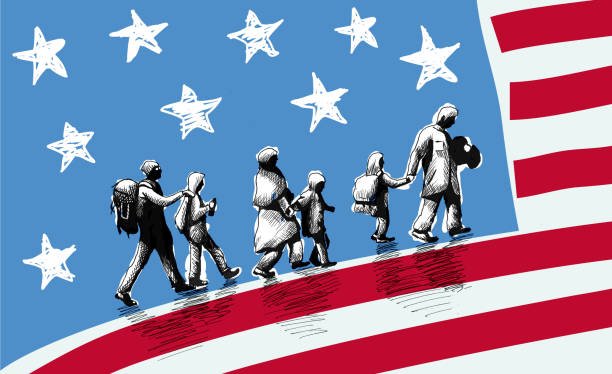
In 2025, flying within the United States as an undocumented immigrant remains a topic filled with uncertainty, fear, and pressing questions.
Can you board a plane without legal status? What ID is required at the airport? Will TSA check your immigration status? These concerns are more relevant than ever as travel regulations continue to evolve.
For many undocumented individuals, a simple domestic flight—whether to visit family, attend a job interview, or seek medical help—can feel like stepping into unknown legal territory.
The good news? While there are risks, there are also rights. In this guide, we’ll break down the current rules, what documents TSA accepts in 2025, and how to navigate domestic travel with caution and confidence. Whether you’re planning a trip or supporting someone who is, understanding the facts could make all the difference.
Can Undocumented Immigrants Fly Domestically in 2025
Sure, Immigrants can travel by plane domestically even though they are undocumented. But here is the thing, it comes with big risks and conditions, which most time are challenging to meet.
When traveling, you won’t use a non-compliant driver’s license. There is a valid identification card that the Transportation Security Administration (TSA) expects you to have before you can board.
However, carrying a foreign passport could lead to extra screening, and if there are any queries or concerns, TSA might direct passengers to U.S. Customs and Border Protection (CBP).
Even though TSA does not enforce immigration laws, depending on the circumstances and location, any interaction with federal officials may result in immigration-related repercussions.
Transportation Security Administration (TSA),
The US Department of Homeland Security (DHS) oversees the Transportation Security Administration (TSA), which is in charge of protecting the country’s transportation networks and those that connect to it.
In reaction to the September 11 attacks, it was established with the goal of strengthening airport security protocols and combining air transport security under a single federal law enforcement and regulatory organization.
The TSA creates important regulations to safeguard the nation’s transportation infrastructure, which includes ports, pipelines, intermodal freight facilities, mass transit systems, buses, railroads, and highways.
Requirements for TSA Identification on Domestic Flights
Verifying your identity is one of the first things TSA (Transportation Security Administration) officials perform when you arrive at the airport.
The TSA does not enforce immigration laws. Their primary objective is security, not citizenship verification. You may be referred for additional screening if your ID raises concerns or appears suspicious.
What Documents Will TSA Accept at Airport Security?
There are some documents TSA accepts. Once you get to the airport, you will be expected to submit these documents.
Valid International Passport
REAL ID-compliant Driver’s License
Passport Card
Green Card
DHS Trusted Traveler Card (Global Entry, NEXUS, SENTRI)
U.S. Department of Defense ID
Employment Authorization Document (Form I-766)
Transportation Worker Identification Credential (TWIC)
U.S. Merchant Mariner Credential
Federally Recognized Tribal-Issued Photo ID
Canadian Provincial Driver’s License or INAC Card
HSPD-12 PIV Card (Federal employees)
School or University ID (only for travelers under age 18)
About the REAL ID Act
The 9/11 Commission’s suggestion that the Federal Government “set standards for the issuance of sources of identification, such as driver’s licenses and identification cards” was implemented by the REAL ID Act, which Congress passed in 2005.
At the implementation of this ACT, a REAL ID-compliant license will be issued. With it, all travelers aged 18 and above will be allowed to board domestic flights.
According to the ACT, Federal agencies can’t accept noncompliant driver’s licenses and identification cards for specific official purposes.
There are also minimum security standards for license issuance and production. The official areas covered by the ACT include:
Accessing certain federal facilities;
Boarding federally regulated commercial aircraft; and
Entering nuclear power plants.
How Do I Get REAL ID?
To get a REAL ID, applicants must provide their Full name, Proof of identity (e.g., birth certificate or passport), date of birth, evidence of lawful status in the U.S., two proofs of residency, and a Social Security number.
Are Undocumented Immigrants Able to Travel Without an ID?
Yes, undocumented immigrants can travel without an ID. There are procedures to follow. To start with, TSA may conduct a database check, ask you further questions, and impose additional screening if you arrive without one.
Can I still fly without a REAL ID?
Not sure. If you don’t have a REAL ID, you might not be allowed to board at the TSA checkpoint. You might be forced to go through the screening process and might miss your flight. Even if you have a non-compliant ID, you might still not be allowed to fly.
What are REAL ID Alternatives?
Aside from the REAL ID, there are other IDs TSA accepts. As an undocumented immigrant without a REAL ID, you can also fly domestically with an Employment Authorization Card, a permanent resident Card (Green Card), or a valid foreign passport.
What are the Risks in Travelling Domestically as an undocumented immigrant?
If you must travel and want to assess your alternatives, keep in mind that there are now risks associated with flying as an unauthorized immigrant, such as more attention to detail.
Additional interrogation or secondary screening may result from presenting foreign passports or documents issued by the DHS.
Possible interactions with immigration officials. Interactions with TSA or other federal officers may result in questions about your immigration status because airports are government facilities.
TSA officers’ discretion can vary. Inconsistent encounters may result from different airports or TSA officers accepting different documents.
Tip for Undocumented Immigrants Flying Domestically
It can be intimidating to fly without documentation, but a little planning helps a lot. This entails being prepared for any obstacles, having the appropriate paperwork, and understanding what to anticipate at security. The following guidelines should be adhered to when flying:
Book direct flights. Security checks are reduced when there are fewer layovers.
Get to the airport early. In the event of further screening, more time is beneficial.
Fake documents or identification should be avoided, as they may result in severe legal issues.
Save the number of an immigration lawyer to your phone.
Always maintain your composure and self-assurance. A legitimate ID shouldn’t cause any problems because the TSA verifies thousands of IDs every day.
Be aware of your rights. Immigration laws are not enforced by TSA. You are not required to respond to inquiries concerning your status.
Can Undocumented Immigrants Travel With State-Issued Driver’s Licenses
Currently, a state-issued driver’s license is no longer a valid identification option for an undocumented immigrant traveling by air domestically. A state-issued driver’s license does not meet REAL ID standards.
FAQs
- What are the Areas covered by the REAL ID Act?
The official areas covered by the ACT include:
Accessing certain federal facilities;
Boarding federally regulated commercial aircraft; and
Entering nuclear power plants.
2. How Do I Get a REAL ID?
To get a REAL ID, applicants must provide their Full name, Proof of identity (e.g., birth certificate or passport), Date of birth, evidence of lawful status in the U.S., two proofs of residency, and a Social Security number.
3. Can Undocumented Immigrants Fly Domestically in USA?
Sure, Immigrants can travel by plane domestically even though they are undocumented.
Conclusion
Undocumented immigrants can still fly domestically within the United States, but there are important rules and risks to consider. While TSA does not enforce immigration laws, travelers must present acceptable identification and may face additional scrutiny.
Using documents like a valid foreign passport, state-issued ID, or other TSA-approved forms of ID is essential. However, because immigration policies can change and individual cases vary, it’s always wise to consult with an immigration attorney before traveling. Staying informed, prepared, and cautious is the best way to ensure a safe domestic flight experience for undocumented immigrants in the U.S.


